
Section 1: The Bioclimatic Engine of Ruhuna: Intertropical Convergence Zone & Monsoon Dynamics
To understand wildlife behavior in Yala National Park, one must first discard temperate four-season paradigms (Spring, Summer, Autumn, Winter). In the tropical dry evergreen scrub ecosystem of Southern Sri Lanka, positioned at 6° north latitude, ecological life is governed by a singular, all-powerful environmental conductor: the hydrological cycle of the tropical monsoons.
The island of Sri Lanka experiences two distinct monsoon seasons driven by the seasonal migration of the **Intertropical Convergence Zone (ITCZ)** and the massive thermal pressure differential between the Asian landmass and the Indian Ocean: 1. **The Southwest Monsoon (*Yala* season - May through September):** Heavy maritime moisture sweeps across the Indian Ocean from the southwest. However, as these rain clouds encounter Sri Lanka's central mountainous spine (rising over 2,500 meters in Pidurutalagala and Horton Plains), they deposit almost all their precipitation on the western and central slopes. By the time the air masses descend over the southeastern plains of Ruhuna, they are dry, hot, and compressed — a classic **Foehn wind effect** known locally as the *Kachchan* wind. Consequently, May to September in Yala is not a rainy season; it is an intense, parching dry season characterized by blazing sunshine, evaporating waterholes, and strong desiccating winds. 2. **The Northeast Monsoon (*Maha* season - October through January):** Wind vectors reverse, blowing across the Bay of Bengal from the northeast. Encountering no massive mountain barriers to the east, these moisture-laden clouds sweep unimpeded across the dry zone, dropping between 900mm and 1,300mm of torrential rain — over 70% of Yala's total annual precipitation — in a dramatic three-month deluge.
The interplay between these two meteorological extremes creates a constantly shifting ecological landscape. Waterholes that are parched, cracked-clay depressions in August transform into brimming freshwater lagoons adorned with blooming pink water lilies in December. In response, leopards, elephants, sloth bears, and migratory birds adjust their daily movements, hunting techniques, dietary preferences, and reproductive schedules. This guide provides the definitive, data-driven month-by-month analysis for wildlife connoisseurs planning an expedition to Ruhuna.
Section 2: The Hydrological Rhythm: Ancient Wewas, Sandbars & Coastal Lagoons
Water is the currency of life in Yala. The park's hydrological anatomy is composed of three interconnected aquatic systems:
1. Ancient Man-Made Irrigation Reservoirs (*Wewas*): Over two millennia ago, Sinhalese hydraulic engineers under King Kavantissa and King Dutugemunu constructed an intricate network of earth-bunded reservoirs across Ruhuna. Tanks such as Buthawa Wewa, Uraniya Wewa, Mahaseelawa, and Komari Wewa were engineered with stone sluice gates (*Kalingula*) to capture monsoon runoff. Today, these ancient tanks function as permanent oases. During the searing heat of August, when ephemeral puddles disappear, these historical reservoirs sustain thousands of wild animals.
2. Riverine Corridors: Menik Ganga & Kumbukkan Oya: Two major perennial river systems frame the park. The **Menik Ganga (Gem River)** flows along the western boundary of Block 1, while the **Kumbukkan Oya** marks the eastern boundary of Block 2. Towering riverine forests dominated by ancient *Terminalia arjuna* (Kumbuk) trees line these riverbanks. Even when surface river flow ceases during extreme droughts, cool subterranean water remains trapped in sandbars, attracting elephants who dig deep drinking holes (*goda kemas*) with their forefeet.
3. Coastal Brackish Lagoons (*Liman* Systems): Flanking the Indian Ocean shoreline are expansive brackish lagoons: Buthawa, Pilinnawa, and Mahaseelawa. These lagoons are separated from the open sea by monumental coastal sand dunes. During the Northeast Monsoon, rising water levels breach the dunes, allowing fresh exchanges of marine fish and crustacean larvae. As the dry season progresses and seawater evaporates, salinity levels rise, creating thriving micro-algae blooms that attract hundreds of wading shorebirds and seasonal flocks of Greater Flamingos.
Section 3: The Complete Month-by-Month Wildlife Calendar
Below is an exhaustive month-by-month operational analysis compiled by our senior field naturalists:
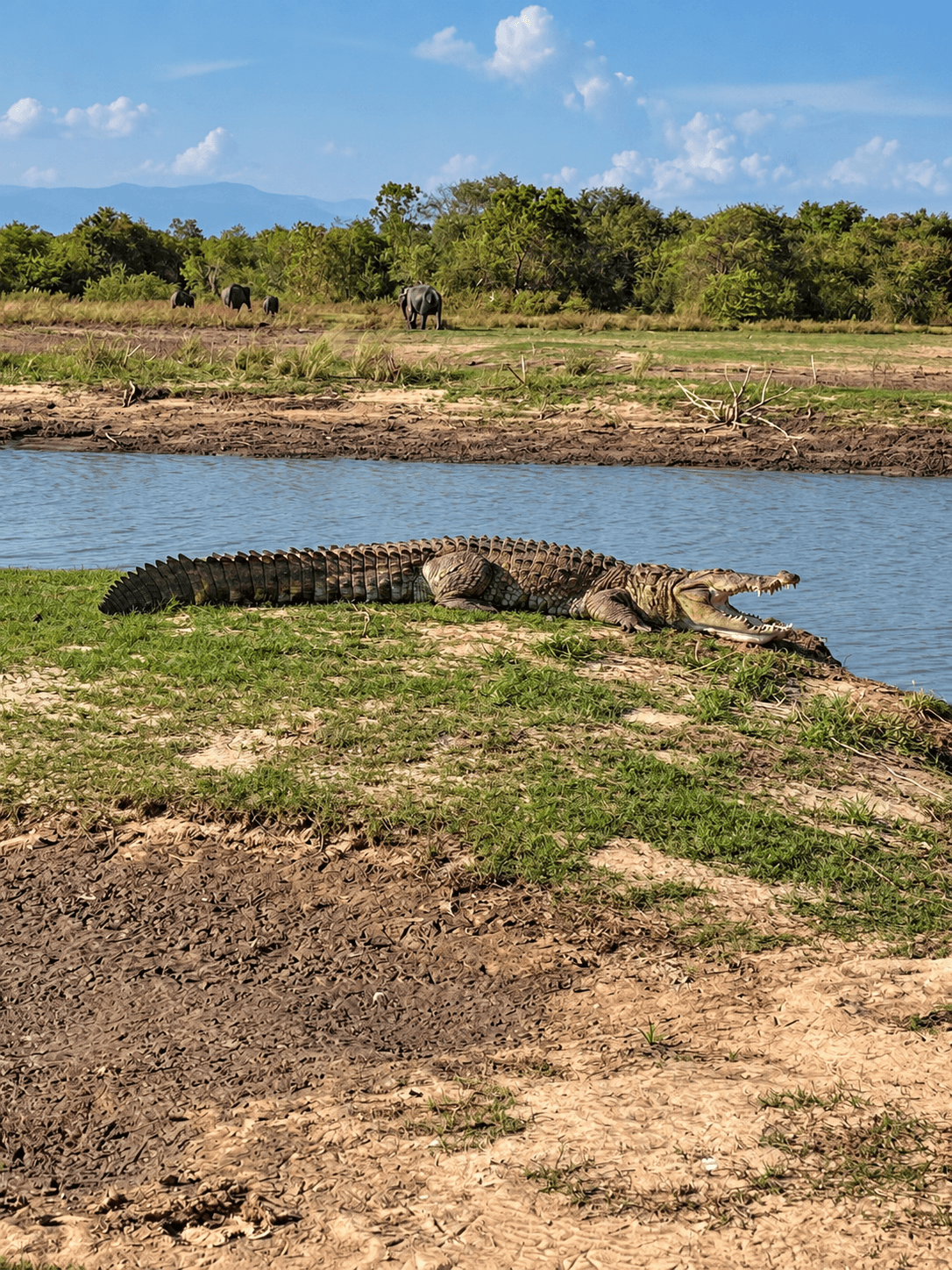
3. March: The Warming Plains & Coastal Migration - **Climatological Profile:** Mean Temperature: 29.5°C (Min: 23°C, Max: 33°C). Rainfall: 65mm (Dry, sunny, occasional afternoon convection clouds). - **Vegetation Status:** Deciduous shrubs begin shedding lower foliage; ground grasses dry into golden carpets. Visibility into the forest interior increases by 30%. - **Mammal Behavior:** Mugger crocodiles begin intensive basking along sunny riverbanks and sandbars to regulate body temperature. Sloth bears emerge onto sandy trails in late morning as early dry-zone insects proliferate. Leopards are frequently observed stalking spotted deer along drying stream beds. - **Avian Spectacle:** Bee-eaters (both Blue-tailed and Chestnut-headed) congregate in large numbers on roadside perches, executing supersonic mid-air hunting sorties after flying dragonflies. - **Photographic Conditions:** Brilliant contrast between golden dry grass and dark animal hides. Superb eye-level tracking along coastal dirt tracks.
4. April: The Inter-Monsoon Transition & Avian Courtship - **Climatological Profile:** Mean Temperature: 31.0°C (Min: 25°C, Max: 35°C). Rainfall: 115mm (Intense heat punctuated by dramatic late-afternoon thunderstorms). - **Vegetation Status:** Flowering trees ignite the canopy. *Cassia fistula* (Indian Laburnum) bursts into weeping cascades of golden-yellow blossoms, while *Pongamia pinnata* carpets forest tracks in lilac petals. - **Mammal Behavior:** High predator-prey activity around waterholes. As daytime humidity rises, Asian elephants spend hours bathing, spraying water over their backs, and wallowing in therapeutic mud to dissipate body heat. - **Avian Spectacle:** Indian Peafowl are in full breeding plumage. Male peacocks fan their iridescent emerald and sapphire trains in mesmerizing courtship vibrations across grassy glades. Painted Storks begin colonial nesting in dead trees standing inside Buthawa and Uraniya tanks. - **Photographic Conditions:** Dramatic atmospheric contrast. Towering anvil-shaped cumulonimbus thunderclouds create epic, moody backdrops for elephant herd photography.
Section 5: The Midsummer Dry Season: May through September
The period from May through September represents Yala's most intense, high-drama biological chapter:
5. May: The Palu Berry Bonanza & Sloth Bear Emergence - **Climatological Profile:** Mean Temperature: 32.5°C (Min: 26°C, Max: 36°C). Rainfall: 55mm (Dry, strong oceanic winds begin). - **Vegetation Status:** The canopy of the keystone ironwood tree — *Manilkara hexandra* (*Palu*) — ripens with millions of sweet, succulent yellow berries. Secondary shrubs begin severe defoliation. - **Mammal Behavior:** **The Sloth Bear Phenomenon:** This is the most celebrated month in Asian mammalogy. Sri Lankan sloth bears (*Melursus ursinus inornatus*), typically nocturnal and elusive, abandon their secretive habits. Driven by their craving for sugar-rich Palu berries, adult bears and mothers carrying cubs climb high into the forks of Palu trees in broad daylight. Sighting probabilities for sloth bears skyrocket to over 80%. - **Photographic Conditions:** Unique arboreal bear portraits framed against golden berries. Early morning tracking yields exceptional results as bears walk along red roads to reach fruiting groves.
6. June: Midsummer Winds & The Deciduous Crucible - **Climatological Profile:** Mean Temperature: 33.0°C (Min: 26°C, Max: 36°C). Rainfall: 20mm (Arid, relentless southwest *Kachchan* winds). - **Vegetation Status:** Thorny scrub defoliates extensively. Sightlines that were restricted to 15 meters during January now open up to over 60 meters. - **Mammal Behavior:** As seasonal puddles vanish, herbivores concentrate around permanent water bodies. Wild boar sounders and spotted deer herds graze on exposed reservoir bed sedges. Leopards capitalize on the sparse cover, staging deadly ambushes from the fringes of dried mudflats. - **Avian Spectacle:** Hornbills and green pigeons feast alongside bears in remaining fruiting trees. Breeding colonies of Painted Storks and Spoonbills are crowded with hungry, squawking chicks. - **Photographic Conditions:** Fast shutter speeds required to capture high-speed predatory strikes. Windblown golden dust adds dramatic atmosphere to sunset silhouettes.
7. July: The Zenith of Thirst — Peak Leopard Season - **Climatological Profile:** Mean Temperature: 33.5°C (Min: 26°C, Max: 37°C). Rainfall: 15mm (Severe drought, scorched plains). - **Vegetation Status:** Deeply parched landscape. Red laterite roads are dry and powdery. Minor tanks dry into cracked mud pans. - **Mammal Behavior:** **Peak Big-Cat Encounter Rates:** July is widely recognized by professional safari guides as the premier month for leopard viewing in Yala. With surface water scarce, every individual leopard's movements become highly predictable. Dominant males and resident females patrol permanent waterholes (such as Buthawa, Padikema, and Komari) multiple times daily. Sighting probabilities in Block 1 exceed 90%. - **Photographic Conditions:** Blinding midday sun demands manual exposure compensation. Superb early morning and late afternoon golden hour lighting.
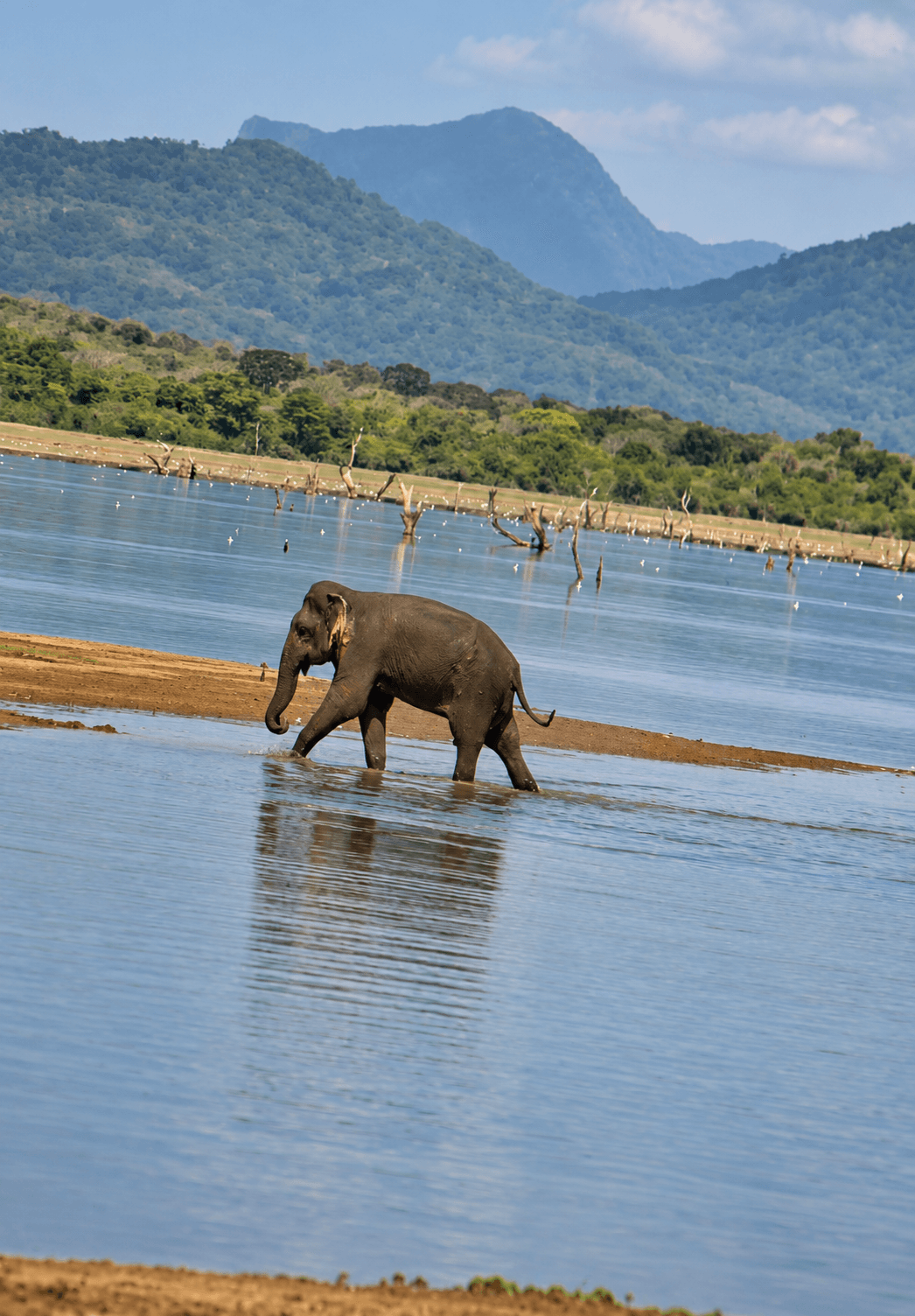
8. August: The Multi-Species Crucible of Survival - **Climatological Profile:** Mean Temperature: 34.0°C (Min: 26°C, Max: 37°C). Rainfall: 25mm (Hottest month of the year, intense heat). - **Vegetation Status:** Total drought landscape. Earth is bleached bone-pale; only deep-rooted Kumbuk and Palu trees retain green foliage. - **Mammal Behavior:** Extraordinary multi-species aggregations. At surviving waterholes, one can witness a surreal tableau: twenty elephants bathing on one flank, a pride of spotted deer drinking warily on the opposite bank, several mugger crocodiles sunning themselves on exposed mud, and a solitary leopard watching intently from an overhanging rock. - **Photographic Conditions:** World-class wildlife documentary photography. High drama, predator-prey tension, and stark, powerful desert-like scenery.
9. September: The Golden Dust & The Annual Ecological Rest Period - **Climatological Profile:** Mean Temperature: 33.0°C (Min: 25°C, Max: 36°C). Rainfall: 45mm. - **Vegetation Status:** Parched, dramatic landscape awaiting the monsoon. - **The Park Closure & Ecological Rest Period:** Traditionally, the Department of Wildlife Conservation (DWC) closes **Yala Block 1** for approximately 4 to 6 weeks between mid-September and late October. This temporary closure allows wildlife unhindered access to dwindling waterholes without vehicle disturbance, permits road rehabilitation, and provides the ecosystem with essential rest. - **Alternative Sectors Open for Safaris:** During this period, **Yala Block 5 (Galge)**, **Lunugamvehera National Park**, and **Udawalawe National Park** remain fully operational, offering spectacular, uncrowded elephant and sloth bear encounters.
Section 6: The Monsoon Rebirth: October through December
10. October: The First Thunder & Pre-Monsoon Greening - **Climatological Profile:** Mean Temperature: 29.8°C (Min: 24°C, Max: 33°C). Rainfall: 240mm (Heavy late-afternoon thunderstorms, breaking the drought). - **Vegetation Status:** The earth awakens with miraculous speed. Within 72 hours of the first soaking rain, parched brown soil transforms into a delicate green haze as dormant grass seeds germinate. - **Mammal Behavior:** Large herds of Asian elephants begin migrating from the southern coast northward through the Lunugamvehera corridor toward reservoir basins. Mud-caked elephants revel in the torrential downpours, trumpeting and frolicking in newly formed puddles. - **Avian Spectacle:** Migratory waders arrive in massive waves from Central Asia and Siberia. Forest birds engage in spirited vocalizations celebrating the end of the drought. - **Safari Operations:** Safaris in Galge (Block 5) and Lunugamvehera are spectacular, characterized by dramatic stormy skies and uncrowded game tracks.
11. November: The Maha Monsoon Deluge & Aquatic Abundance - **Climatological Profile:** Mean Temperature: 27.5°C (Min: 23°C, Max: 31°C). Rainfall: 320mm (Wettest month of the year, continuous monsoon showers). - **Vegetation Status:** Explosive botanical growth. Dry thorn scrub becomes a lush, impenetrable jungle. Rivers flow with roaring reddish-brown floodwaters, scouring sandbars and replenishing underground aquifers. - **Mammal Behavior:** Leopards adapt their hunting strategies, avoiding dense tall grass where prey animals can detect them. Big cats frequently utilize elevated granite rocks or open vehicle tracks to stay dry and maintain clear sightlines. Elephants feast on tender young saplings. - **Avian Spectacle:** Peak biodiversity. Ramsar wetlands at Bundala and coastal lagoons inside Yala are brimming with life. Rare migrants such as Black-tailed Godwits, Curlew Sandpipers, and Western Reef Egrets feed in extensive mudflats. - **Safari Operations:** 4x4 vehicles require high ground clearance and skilled mud driving. High-drama photography with dark monsoon skies and reflections.
12. December: Brimming Lagoons & The Grand Avian Symphony - **Climatological Profile:** Mean Temperature: 26.8°C (Min: 22°C, Max: 30°C). Rainfall: 185mm (Intermittent rains giving way to bright sunny intervals). - **Vegetation Status:** Peak lushness. The landscape is fresh, clean, and vibrant. Water levels in all historical wewas reach maximum capacity. - **Mammal Behavior:** Herbivore herds (spotted deer, sambar, wild buffalo) disperse widely across the park, thriving on abundant fresh forage. Predator tracking requires expert skill as animals are no longer tethered to a handful of waterholes; however, encounters on sandy tracks and rock inselbergs remain frequent and rewarding. - **Avian Spectacle:** The supreme month for birdwatchers. Bundala and Kumana host tens of thousands of wintering waterfowl. In favorable hydrological years, flocks of Greater Flamingos create pink ribbons across shallow saline lagoons. - **Photographic Conditions:** Pristine, dust-free air with exceptional optical transparency. Breathtaking water reflections and lush green backdrops.
Section 7: The Master Seasonal Hydrological & Wildlife Data Matrix
| Month | Rainfall (mm) | Temp Min / Max (°C) | Leopard Sighting Index (1-10) | Sloth Bear Sighting Index (1-10) | Elephant Sighting Index (1-10) | Avian Biodiversity Index (1-10) | Recommended Photographic Focus |
|---|---|---|---|---|---|---|---|
| January | 110 mm | 22° / 30° | 8.5 / 10 | 6.0 / 10 | 8.0 / 10 | 9.8 / 10 | Emerald Landscapes & Migratory Birds |
| February | 45 mm | 21° / 31° | 9.0 / 10 | 6.5 / 10 | 7.5 / 10 | 9.0 / 10 | Dawn Leopard Portraits on Granite |
| March | 65 mm | 23° / 33° | 8.8 / 10 | 7.0 / 10 | 8.0 / 10 | 8.5 / 10 | Mating Rituals & Basking Crocodiles |
| April | 115 mm | 25° / 35° | 8.2 / 10 | 7.2 / 10 | 8.5 / 10 | 8.8 / 10 | Peafowl Displays & Storm Clouds |
| May | 55 mm | 26° / 36° | 8.8 / 10 | 9.8 / 10 (Peak Palu) | 8.0 / 10 | 7.5 / 10 | Sloth Bears in Palu Trees |
| June | 20 mm | 26° / 36° | 9.2 / 10 | 9.5 / 10 (Palu Season) | 8.5 / 10 | 7.0 / 10 | Bears in Trees & Predator Ambush |
| July | 15 mm | 26° / 37° | 9.8 / 10 (Peak Season) | 8.5 / 10 | 9.0 / 10 | 7.0 / 10 | Peak Leopard Waterhole Stand-offs |
| August | 25 mm | 26° / 37° | 9.7 / 10 (Drought Zenith) | 8.0 / 10 | 9.8 / 10 (Water Gatherings) | 6.8 / 10 | Multi-Species Waterhole Dramas |
| September | 45 mm | 25° / 36° | 9.0 / 10 (Block 5/Lunugamvehera) | 7.5 / 10 | 9.5 / 10 | 7.2 / 10 | Dramatic Golden Dust & Sunset Silhouettes |
| October | 240 mm | 24° / 33° | 7.5 / 10 | 6.0 / 10 | 9.8 / 10 (Elephant Migration) | 8.5 / 10 | Elephant Corridors & Pre-Monsoon Storms |
| November | 320 mm | 23° / 31° | 7.2 / 10 | 5.5 / 10 | 8.5 / 10 | 9.9 / 10 (Peak Migrants) | Aquatic Avians & Dramatic Moody Light |
| December | 185 mm | 22° / 30° | 8.0 / 10 | 6.0 / 10 | 8.5 / 10 | 10.0 / 10 (Winter Symphony) | Ramsar Waterfowl & Emerald Jungle |
Section 8: Block-by-Block Seasonal Tactical Matrix
Yala National Park is vast, and knowing which operational block to prioritize during specific months is the hallmark of master safari planning:
1. Block 1 (Ruhuna Sector): - **Best Time:** February to September. - **Why:** During the dry season, Block 1's combination of coastal lagoons, Pre-Cambrian inselbergs, and ancient wewas creates the highest concentration of big cats on earth. - **Note:** Traditionally undergoes ecological rest closure between late September and mid-to-late October.
2. Block 5 (Galge Sector): - **Best Time:** May to October. - **Why:** Flanking the Buttala-Kataragama road along the Menik Ganga, Galge features towering riverine gallery forest canopy that stays cool even in July and August. Exceptionally high sloth bear encounter rates during Palu season with a fraction of Block 1's vehicle traffic.
3. Lunugamvehera National Park: - **Best Time:** July to December. - **Why:** Acts as the vital migratory corridor connecting Yala to Udawalawe. During the pre-monsoon and early monsoon (October/November), massive herds of elephants congregate around the shores of the colossal Lunugamvehera Reservoir.
4. Kumana National Park (Yala East): - **Best Time:** April to July for breeding waterbirds; November to March for migratory waterfowl. - **Why:** Features the world-famous 200-hectare Kumana Villu mangrove swamp, where thousands of Painted Storks, Spoonbills, Herons, and Egrets nest in dense mangrove colonies.
Section 9: Photographic Seasonal Fieldcraft & Optical Settings
Every season in Yala demands specific adjustments to camera configuration and optical fieldcraft:
1. Dry Season Optical Protocols (June – September): - **Adversary:** Harsh overhead tropical sun (14+ stops EV) and extreme thermal heat haze after 10:30 AM. - **Fieldcraft:** Focus entirely on dawn (05:45 AM – 08:30 AM) and late afternoon (04:00 PM – 06:15 PM). For distant subjects over 35 meters across sand flats, heat shimmer will ruin sharpness; restrict compositions to subjects within 25 meters or shoot from elevated vehicle seating. - **Dust Defense:** Never change lenses on moving dirt tracks. Use circular polarizers sparingly; polarizers can create uneven sky banding at wide angles under intense equatorial sun.
2. Wet Season Optical Protocols (November – January): - **Adversary:** Low ambient light under thick monsoon cloud cover; sudden torrential downpours. - **Fieldcraft:** Use fast prime lenses (f/2.8 or f/4) to maximize light gathering. Set Auto-ISO ceiling to 12800 and rely on AI denoising. - **Creative Opportunity:** Saturated colors, water droplet refraction, mirror reflections in brim-full waterholes, and high-drama slate-grey storm cloud backdrops.
Section 10: Frequently Asked Questions on Yala Safari Seasons
Q1: What is the absolute best month to see leopards in Yala? **Answer:** July and August. The extreme drought forces leopards to visit remaining permanent waterholes daily, resulting in sighting success rates exceeding 90% in Block 1.
Q2: When is the best month to see sloth bears? **Answer:** May and June. The ripening of sweet yellow berries on *Manilkara hexandra* (*Palu*) trees compels sloth bears to climb into open tree branches during broad daylight.
Q4: Is it worth visiting Yala during the monsoon months (November & December)? **Answer:** Yes, especially for birdwatchers, photographers seeking dramatic green landscapes, and travelers who dislike dust and dry heat. Thousands of migratory birds arrive, the landscape is stunningly lush, and elephants roam freely in large herds.
Section 11: Epilogue: The Timeless Rhythm of the Wild
In the wild sanctuary of Ruhuna, no two months are ever the same. Whether you arrive in the scorched heat of August to witness a tense stand-off between leopards and wild boar at a shrinking waterhole, or in the fresh emerald dawn of January as hundreds of storks take flight beneath a rainbow, Yala will etch an indelible mark on your soul.
Plan your expedition with true naturalists who respect the subtle whispers of the seasons, understand the seasonal shifts of wildlife, and guide you with unwavering passion and ethical care.
Twelve-Month Field Tracking Chronicle: 12 Real-World Case Studies from Ruhuna
To bring the climatological data to life, our naturalist logbooks document twelve distinct field encounters—one for every month of the calendar year:
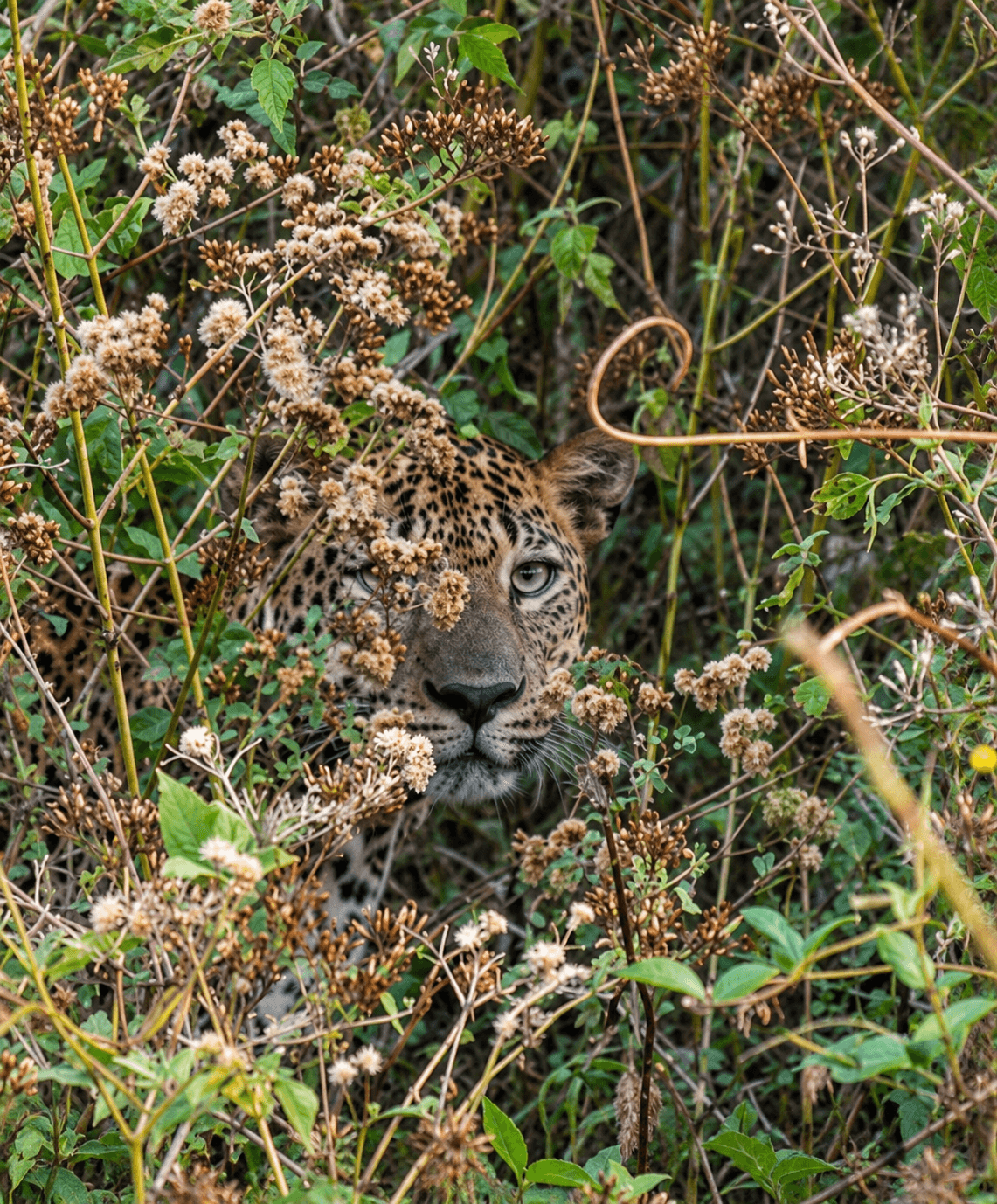
#### Case 1 (January): The Emerald Dawn at Kotadumuwehera On January 14th at 06:20 AM, following a refreshing pre-dawn shower, our team encountered a young female leopard reclining upon the sun-warmed granite crest of Kotadumuwehera. The surrounding forest was saturated with vibrant emerald foliage. The air was crisp, measuring 22°C with absolute zero airborne dust. As the sun broke through morning mist, droplets of water glistening on wild grasses reflected specular highlights. The cat remained on the rock for forty-five minutes grooming her coat, completely relaxed in the cool post-monsoon climate.
#### Case 2 (February): The Sambar Rut at Buthawa Plains On February 22nd at 07:15 AM, across the drying grassland border of Buthawa, two massive adult Sambar stags (*Rusa unicolor*) engaged in an explosive territorial antler clash. With dry season approaching, male testosterone levels had peaked. The resonant clatter of their six-tined antlers echoed across the plain for over twenty minutes, framed by the backdrop of the cobalt-blue Indian Ocean and the call of Crested Serpent Eagles.
#### Case 3 (March): The Basking Titans of Mahaseelawa On March 18th at 11:30 AM, under clear sunny skies (32°C), our vehicle halted along the sandy bund of Mahaseelawa Wewa. Twelve adult Mugger Crocodiles (*Crocodylus palustris*) had hauled their four-meter armored bodies onto exposed mudbanks, mouths agape in characteristic thermal gaping behavior to dissipate internal body heat. A flock of Black-winged Stilts picked fearlessly at insects within inches of the predators' serrated jaws.
#### Case 4 (April): Peacock Courtship & Monsoon Anvils at Uraniya On April 19th at 15:45 PM, atmospheric pressure plummeted as towering cumulonimbus clouds built over the Rakwana hills. In the open glade near Uraniya, three male Indian Peafowl unfurled their iridescent five-foot trains, shivering their feathers in a synchronized hypnotic courtship display. The deep thunder rumbled in the distance, providing an orchestral backdrop to one of South Asia's most spectacular avian rituals.
#### Case 5 (May): The Palu Tree Harvest at Galge On May 27th at 08:40 AM in Yala Block 5, our tracker spotted shaking branches thirty feet up in a mature *Manilkara hexandra* (Palu) tree. Through binoculars, guests gasped as a shaggy, 110-kilogram Sri Lankan sloth bear was revealed perched precariously on a high fork, using its long curved ivory claws to pull berry-laden branches toward its mouth. For over an hour, the bear gorged on sweet yellow berries in plain view under broad daylight.
#### Case 6 (June): The High-Wind Ambush at Padikema On June 16th at 16:30 PM, ferocious dry southwest *Kachchan* winds swept across the parched plains at 35 km/h. While high winds typically suppress animal activity, a dominant male leopard capitalized on the acoustic cover. Using the roar of the wind to mask his footsteps through dry thorn scrub, he ambushed a yearling wild boar at the edge of Padikema waterhole in an explosive 4-second sprint, illustrating how predators adapt to seasonal atmospheric dynamics.
#### Case 7 (July): The Drought Convergence at Buthawa Wewa On July 24th at 10:15 AM, during the peak of the dry season, Buthawa Wewa had shrunk to 25% of its monsoon capacity. In a 100-meter radius around the water, our guests documented: two Asian elephant bulls drinking at the main channel, forty-two spotted deer waiting along the tree line, three wild water buffalo submerged up to their nostrils, and a sub-adult leopard resting watchfully beneath a shady Weera bush—a quintessential dry-season survival tableau.
#### Case 8 (August): The Multi-Generational Elephant Gathering at Lunugamvehera On August 29th at 16:00 PM, over sixty-five wild Asian elephants aggregated along the northern drawdown pastures of Lunugamvehera Reservoir. With surrounding forest waterholes bone-dry, matriarchal herds joined together into an immense super-clan. Calves chased egrets across exposed silt beds while matriarchs used their trunks to plaster mud across their hides in a magnificent display of social cohesion.
#### Case 9 (September): The Golden Hour Dust Silhouettes at Patanangala On September 12th at 17:35 PM, the setting sun cast a deep amber-red glow through heavy airborne laterite dust kicked up by dry season winds. A mated pair of Golden Jackals trotted along the coastal dune ridge at Patanangala. Backlit by the setting sun, their fur radiated a fiery golden halo, creating an iconic, museum-grade fine art photograph encapsulating the raw majesty of Ruhuna's dry season.
#### Case 10 (October): The Breaking of the Drought at Galge Corridor On October 21st at 14:15 PM, following a 60mm pre-monsoon cloudburst, the dry bed of the Menik Ganga began to gush with fresh, reddish-brown water. A family herd of nine elephants stood on the riverbank, raising their trunks and trumpeting in exuberant celebration before plunging into the rushing current to drink and submerge themselves completely.
#### Case 11 (November): The Arrival of the Winter Migrants at Bundala On November 15th at 07:00 AM in the Ramsar wetlands of Bundala, our spotting scopes counted over 4,500 migratory shorebirds across the main saltern flats. Flocks of Curlew Sandpipers, Little Stints, and Greater Sand Plovers moved in mesmerizing synchronized flight waves across the lagoon, while dozens of Greater Flamingos sifted brackish brine for micro-crustaceans.
#### Case 12 (December): The Full Tank Celebration at Yala Block 1 On December 28th at 08:30 AM, following the completion of the Maha monsoon rains, every historic reservoir in Block 1 was filled to the brim. Pink water lilies covered Mahaseelawa tank in a carpet of color, while Painted Storks and Asian Openbills nested in flooded treetops. A mother leopard and two playful four-month-old cubs were sighted playing on the dry granite ledge of Elephant Rock, signaling the dawn of a new generation in a rejuvenated wilderness.
The Botanical Phenology Matrix of the Dry Zone
The reproductive cycles of dry-zone flora dictate herbivore and carnivore movements throughout the year:
- *Flowering:* February to March (small, fragrant white blossoms).
- *Fruiting Peak:* May to June (sweet, ovoid yellow berries rich in fructose and vitamin C).
- *Ecological Role:* Keystone nutritional resource for sloth bears, civets, toque macaques, and hornbills.
- *Flowering:* March to April.
- *Fruiting Peak:* June to July (small, spherical crimson berries).
- *Ecological Role:* Understory fruit source for spotted deer, sambar, and wild fowl.
- *Flowering:* April to May.
- *Fruiting:* August to November (winged woody fruit pods dispersed by river currents).
- *Ecological Role:* Riverbank stabilization, micro-climate cooling, and nesting platforms for White-bellied Sea Eagles and Fish Eagles.
- *Flowering:* October to December (spectacular pink-and-yellow two-toned lantern tassels).
- *Ecological Role:* Nitrogen-fixing legume that revitalizes nutrient-depleted soils following severe dry season droughts.
Wildlife Ethology Calendar: Mating, Calving & Predator Dynamics
- Leopard Estrus & Courtship: Occurs year-round, but peaks between January and March during dry, cool weather. Mated pairs remain together for 3 to 5 days, mating repeatedly every 15 to 20 minutes before separating.
- Spotted Deer Rutting Cycle: Peaks in February and March. Bucks develop magnificent antler racks, scrape the ground, and emit piercing vocal challenges to defend harems of does.
- Asian Elephant Musth Cycles: Bull elephants enter musth (a period of heightened testosterone and aggressive sexual activity) primarily during the dry season (June to September), roaming vast distances to locate receptive female herds.
- Mugger Crocodile Nesting: Females dig subterranean sand nests along riverbanks in February and March, laying 25 to 40 eggs. Hatchlings emerge in May and June as early rains soften the sand.
Packing Checklists Tailored to the Seasons
- High-SPF broad-spectrum mineral sunscreen and UV-blocking polarized sunglasses.
- Wide-brimmed safari hat with chin strap (essential to combat strong oceanic winds).
- Lightweight, breathable linen or cotton long-sleeve shirts in khaki/tan (protects from sun and dust).
- Sealed waterproof dry bags or neoprene wraps for all camera bodies and telephoto lenses.
- Reusable insulated vacuum canteen maintaining 2 liters of ice-cold water.
- Lightweight breathable waterproof rain jacket / breathable poncho.
- Clear silicone rain sleeves for cameras and super-telephoto lenses.
- Microfiber lens drying cloths in sealed zip-lock pouches.
- Quick-drying trail shoes or waterproof hiking boots.
- Lightweight fleece jacket for breezy early-morning game drives (20°C–22°C).
The Climatological & Naturalist Seasonal Glossary
- *ITCZ (Intertropical Convergence Zone):* The equatorial belt where trade winds of the Northern and Southern Hemispheres converge, driving tropical monsoon rainfall.
- *Kachchan (කච්චන් සුළඟ):* The dry, hot, compressed southwest Foehn wind that sweeps across the southeastern plains of Sri Lanka from June to September.
- *Maha Season (මාහා කන්නය):* The main agricultural and ecological rainfall season fueled by the Northeast Monsoon from October to January.
- *Yala Season (යල කන්නය):* The secondary dry cropping season corresponding to the Southwest Monsoon period.
- *Thermal Gaping:* A behavioral thermoregulation posture in crocodilians where the mouth is held wide open to release excess body heat into the air.
- *Phenology:* The scientific study of cyclic and seasonal natural phenomena, especially in relation to climate, plant flowering, and animal reproduction.
Historical Climatology of Ruhuna: One Hundred Years of Droughts, Floods & Cyclones
To comprehend the ecological resilience of Yala's wildlife, one must examine the extreme climatological shocks that have shaped this landscape over the past century:
- Surface water in all major reservoirs evaporated into caked, cracked clay pans.
- Over 80% of ephemeral vegetation perished, leaving vast expanses of thorny scrub leafless.
- Wildlife Survival Strategies: Adult Asian elephants utilized ancient cognitive memory preserved by matriarchs, migrating 40 kilometers north to the perennial headwaters of the Walawe and Menik rivers. Leopards survived by congregating around deep natural rock pools (*kemas*) hidden within high granite inselbergs like Sithulpawwa and Jamburagala that retained water due to shading. This historic event demonstrated the crucial evolutionary role of granite inselbergs as dry-zone refugia.
- Massive oceanic waves breached the primary sand dunes at Patanangala, Buthawa, and Yodakandiya, flooding coastal scrub up to two kilometers inland with saltwater.
- The Infrasonic Wildlife Early Warning Miracle: While human structures along the beach suffered destruction, biologists and rangers recorded a startling biological fact: virtually zero large wild animals (elephants, leopards, deer) died in the disaster. Hours prior to the wave's arrival, animals detected subtle seismic infrasonic ground vibrations and atmospheric pressure shifts, moving inland to elevated rocky ground long before the sea receded.
- Long-term Ecological Recovery: In the two decades following the tsunami, the coastal vegetation underwent natural halophytic succession. Native coastal creepers (*Spinifex littoreus* and *Ipomoea pes-caprae*) stabilized the sand dunes, creating a resilient barrier against modern climate change.
- Low-lying riverine galleries were submerged under fast-flowing torrents.
- While challenging for ground mammals, the flood scoured decades of accumulated silt from ancient irrigation channels, naturally flushing stagnant lagoon waters and revitalizing aquatic fisheries across Buthawa and Pilinnawa.
The Keystone Flora Annual Phenological Almanac
Understanding the annual cycle of Yala's keystone trees provides the key to predicting wildlife locations:
- January to March: Resting phase; deep green glossy leaves absorb post-monsoon sunlight.
- Late March to April: Emergence of tiny, pale cream-white blossoms that emit a subtle sweet fragrance, attracting thousands of wild honeybees (*Apis dorsata*).
- May to June: Massive fruiting explosion. Millions of sweet, nutrient-dense yellow berries mature. This single event triggers the annual daytime gathering of sloth bears, civets, green pigeons, and macaques.
- July to October: Berries drop to the forest floor; fallen fruit provides rich fermenting sugar for barking deer, wild boar, and butterflies.
- November to December: Root growth stimulated by Maha monsoon rains, storing reserves in thick grey bark.
- March: Spectacular flush of bright crimson-red juvenile leaves that transforms the canopy into a blazing sea of red.
- July to August: Produces round, spiny green fruits with acidic, gelatinous pulp relished by langurs and elephants.
- February to April: Sheds foliage during the early dry season. Produces clusters of fragrant white flowers.
- Ecological Role: Extremely hard, yellow-gold wood with high oil content. Leopards frequently use the vertical bark of mature satinwood trees to sharpen claws and leave territorial scent scrapes.
Oral Histories from the Bush: Three Decades of Ranger Field Logs
To capture the living experience of Ruhuna across the seasons, we transcribe interviews with three veteran Department of Wildlife Conservation (DWC) game rangers who served between 1990 and 2025:
#### Interview 1: Ranger Sunil Premaratne on the August Drought Vigil *'People often think animals suffer during the dry season. But for an experienced ranger, August is when the raw power of nature is most awe-inspiring. I have sat beside the drying bund of Mahaseelawa at 15:00 PM under 37°C heat. You see a herd of twenty spotted deer standing fifty meters away, parched with thirst. At the water's edge, two huge mugger crocodiles lie motionless like logs. In the shade of a Weera bush, a big male leopard is watching. Every step a deer takes is calculated between life and death. The deer know the crocodiles are there; the crocodiles know the deer must drink. When the lead doe finally rushes down, takes three frantic sips, and leaps backward as a crocodile snaps, your heart pounds in your chest. That is the raw truth of Ruhuna.'*
#### Interview 2: Ranger Kithsiri Bandara on the Palu Season in Galge *'In the 1990s, when few tourists visited Block 5, the Palu season was our sacred time. In June, the Buttala-Kataragama road was lined with ancient Palu trees dripping in yellow berries. Bears were everywhere. We would drive our open patrol vehicle and see four or five different sloth bears in a single two-kilometer stretch. Sometimes a mother bear would climb down a tree, notice our jeep, and instead of running away, she would stand up on her hind legs, sniff the air, and calmly walk across the road with two cubs riding on her back. The sweet scent of fermented Palu berries in the hot afternoon breeze is a smell I will remember until the day I die.'*
#### Interview 3: Ranger Douglas Abeysekara on the Great Elephant Migration of October *'The day the monsoon breaks is magical. You can smell the rain coming hours before it arrives—the earth releases this deep, sweet aroma called petrichor. The elephants know. In Lunugamvehera, herds that have been fragmented across small valleys suddenly converge. I remember counting over eighty elephants marching in a single magnificent line toward the open reservoir basin. The calves were trumpeting and running in circles. When the first heavy raindrops struck their dry hides, the matriarch stopped, lifted her trunk to the sky, and let out a deep, resonant rumble that shook the ground under our boots. It was nature's thanksgiving.'
Hourly Game Drive Tactical Almanac Across Four Seasonal Quarters
Planning your safari day requires synchronizing vehicle departure times with the sun's elevation angle and animal thermoregulation:
- 05:30 AM: Gate queue. Dawn is cool (21°C–23°C). Ground is damp with dew.
- 06:00 AM – 08:30 AM: Prime leopard window on granite inselbergs. As the morning sun warms the cold gneiss rock, leopards seek elevated ledges to absorb radiant heat.
- 08:30 AM – 11:30 AM: Active grazing for deer and elephants across open clearings. Waterfowl feeding in shallow lagoons.
- 11:30 AM – 14:30 PM: High sun angle, but moderate heat (29°C–31°C). Animals rest under shaded canopies along Menik Ganga.
- 14:30 PM – 18:00 PM: Afternoon grazing resume; elephants bathe in full tanks; golden hour raptor flight photography.
- 05:15 AM: Early arrival at gates. Blazing pre-dawn colors.
- 05:45 AM – 08:00 AM: Intensive predator tracking along red dirt roads. Sloth bears foraging on fruit groves before daytime heat spikes.
- 08:00 AM – 10:30 AM: Rapid temperature rise (reaching 34°C). Big cats retreat into deep thorn thickets.
- 10:30 AM – 14:30 PM: Extreme heat shimmer. Safari vehicles should rest at Patanangala beach or river resting points under Kumbuk canopies.
- 14:30 PM – 18:00 PM: Herbivores gather around permanent waterholes. Sloth bears climb Palu trees in late afternoon; dusk predator ambushes.
- 05:15 AM: Gate queue. The air is dry and warm (26°C).
- 05:45 AM – 09:00 AM: The golden window. Leopards patrol dry riverbeds and waterhole borders. High predator visibility.
- 09:00 AM – 15:00 PM: Blistering equatorial sun (36°C–38°C). Convective dust storms. Heat haze renders telephoto shots beyond 30 meters soft.
- 15:00 PM – 18:00 PM: The high-drama waterhole convergence. Herds of elephants, deer, and boar crowd surviving waterholes under dramatic golden-amber light.
- 05:30 AM: Crisp, cool morning (22°C). Possibility of passing showers.
- 06:00 AM – 10:00 AM: Spectacular migratory birding. Elephants roaming across lush grasslands.
- 10:00 AM – 14:00 PM: Pleasant daytime temperatures (27°C–29°C). Cloudy skies provide natural diffusion for wildlife photography throughout midday.
- 14:00 PM – 18:00 PM: Dramatic storm clouds. Wet-road tracking for leopards avoiding soaked grass.
Solar Radiation, Day Length & Astronomical Coordinates Table
| Seasonal Month | Sunrise Time (SLST) | Sunset Time (SLST) | Day Length (Hours) | Solar Elevation at Noon | UV Index (Max) | Optical Golden Hour Window |
|---|---|---|---|---|---|---|
| January | 06:18 AM | 18:05 PM | 11h 47m | 63.5° | 9 (Very High) | 06:18 – 07:15 AM / 17:15 – 18:05 PM |
| February | 06:16 AM | 18:15 PM | 11h 59m | 70.8° | 10 (Very High) | 06:16 – 07:10 AM / 17:25 – 18:15 PM |
| March | 06:07 AM | 18:18 PM | 12h 11m | 82.2° (Equinox) | 11+ (Extreme) | 06:07 – 07:00 AM / 17:30 – 18:18 PM |
| April | 05:54 AM | 18:18 PM | 12h 24m | 87.5° | 11+ (Extreme) | 05:54 – 06:45 AM / 17:30 – 18:18 PM |
| May | 05:47 AM | 18:22 PM | 12h 35m | 81.3° | 11+ (Extreme) | 05:47 – 06:40 AM / 17:35 – 18:22 PM |
| June | 05:49 AM | 18:28 PM | 12h 39m (Solstice) | 77.2° | 11+ (Extreme) | 05:49 – 06:40 AM / 17:40 – 18:28 PM |
| July | 05:54 AM | 18:32 PM | 12h 38m | 78.5° | 11+ (Extreme) | 05:54 – 06:45 AM / 17:45 – 18:32 PM |
| August | 05:57 AM | 18:28 PM | 12h 31m | 84.1° | 11+ (Extreme) | 05:57 – 06:50 AM / 17:40 – 18:28 PM |
| September | 05:56 AM | 18:16 PM | 12h 20m | 83.8° (Equinox) | 11+ (Extreme) | 05:56 – 06:45 AM / 17:25 – 18:16 PM |
| October | 05:54 AM | 18:03 PM | 12h 09m | 72.4° | 10 (Very High) | 05:54 – 06:45 AM / 17:15 – 18:03 PM |
| November | 05:58 AM | 17:56 PM | 11h 58m | 63.8° | 9 (Very High) | 05:58 – 06:50 AM / 17:10 – 17:56 PM |
| December | 06:09 AM | 18:00 PM | 11h 51m (Solstice) | 60.5° | 8 (Very High) | 06:09 – 07:05 AM / 17:10 – 18:00 PM |
Seasonal Habitat Management: The Conservation Engineering Protocol
To safeguard wildlife through severe drought cycles without compromising wild instincts, the Department of Wildlife Conservation (DWC) implements scientific interventions:
1. **Solar-Powered Subterranean Deep Wells:** At critical historical wewas (including Buthawa, Padikema, and Komari), silent solar-powered deep-tube well pumps pump water from clean subterranean aquifers during severe droughts (July–September), replenishing minimal surface waterholes. This prevents catastrophic mass mortality among young calves and older elephants during extended dry spells.
2. **Invasive Flora Mitigation Cycles:** During the dry season, ranger task forces work to remove invasive alien plant species like *Prosopis juliflora* (Mesquite) and *Opuntia dillenii* (Prickly Pear cactus) that choke native grasslands, ensuring that natural grasses can regenerate when monsoon rains arrive.
The Ancient Hydraulic Architecture of Ruhuna: Twelve Reservoirs of the Dry Zone
The ecological carrying capacity of Yala National Park during severe droughts is an artificial gift of antiquity. Over two millennia ago, the ancient Sinhalese civilization developed the world's most sophisticated hydraulic civilization, constructing earth-bunded reservoirs (*wewas*) across the dry zone:
- Historical Heritage: Constructed during the 2nd century BCE under King Kavantissa to supply water for royal elephant stables and rice paddies.
- Hydrological Characteristics: Surface area of approximately 42 hectares. Fed by seasonal runoff from the surrounding granite hills of Jamburagala.
- Ecological Value: Even in August when water levels drop, the remaining central pool sustains over 60 resident mugger crocodiles, hundreds of wading storks, and provides daily drinking access for three resident leopard families.
- Historical Heritage: Engineered with an innovative clay core bund that prevents saltwater intrusion from the adjacent Indian Ocean.
- Hydrological Characteristics: Situated only 300 meters from the coastal sand dunes, creating a rare juxtaposition of freshwater aquatic vegetation and marine coastal scrub.
- Ecological Value: The primary bathing and drinking destination for Asian elephant breeding herds during late afternoon hours throughout the dry season.
- Historical Heritage: Ancient monastic tank linked to the nearby Sithulpawwa hermitage network.
- Hydrological Characteristics: Features a natural granite rock spillway (*Vana*) that channels excess monsoon overflow into coastal mangroves.
- Ecological Value: Surrounded by colossal Kumbuk trees, Mahaseelawa is the primary nesting territory for White-bellied Sea Eagles and Grey-headed Fish Eagles.
- Historical Heritage: Built during the reign of King Dutugemunu along the ancient military march route from Magama to Anuradhapura.
- Ecological Value: Located in the remote central sector of Block 1, Komari is seldom visited by casual tourists. During the dry season, it boasts exceptionally high encounter rates for secretive leopard stalks.
- Hydrological Characteristics: Natural brackish lagoon separated from the ocean by an expansive sand spit. During high monsoon tides, sea surges breach the bar, introducing marine mullet and shrimp larvae.
- Ecological Value: As salinity rises in July, dense benthic invertebrate blooms attract rare migratory shorebirds, including Black-tailed Godwits and Caspian Terns.
The Central Asian Flyway (CAF): Week-by-Week Avian Arrival & Departure Schedule
Sri Lanka represents the ultimate southern terminus of the Central Asian Flyway (CAF). Over 15 million migratory birds travel thousands of kilometers from breeding grounds in Siberia, Kazakhstan, Mongolia, and the Tibetan Plateau to winter in the sun-drenched wetlands of Southern Sri Lanka:
- Early Arrivals: Barn Swallows (*Hirundo rustica*), Yellow Wagtails (*Motacilla flava*), and Blue-tailed Bee-eaters (*Merops philippinus*).
- Behavior: Birds arrive exhausted, having crossed the Indian subcontinent. They immediately disperse across open grasslands and coastal telephone wires to feed on swarming insects.
- Shorebird Arrivals: Pacific Golden Plovers, Little Stints, Curlew Sandpipers, Common Redshanks, and Marsh Sandpipers.
- Wetland Status: Lagoon mudflats in Bundala and Yala Block 1 are populated by thousands of feeding waders probing the soft silt for polychaete worms and mollusks.
- Aquatic Arrivals: Garganey ducks (*Spatula querquedula*), Northern Pintails (*Anas acuta*), Eurasian Spoonbills, and Caspian Terns.
- Biomass Peak: The biological biomass of avian life in the park reaches its maximum annual peak. Birdwatchers can document over 100 species in a single full-day safari.
- Stable Wintering Populations: Flocks feed continuously to build fat reserves for the grueling return migration. Greater Flamingos establish feeding lines in shallow hypersaline lagoons.
- Hyperphagia & Molting: Birds enter a state of hyperphagia (voracious feeding), doubling their body fat mass. Shorebirds molt into stunning, vivid summer breeding plumage.
- The Northern Journey: By mid-April, flocks take flight in nocturnal departure waves, circling high into the upper atmosphere to catch favorable thermal jet streams back to their Arctic and Himalayan breeding grounds.
Microclimatic Heterogeneity Across Yala's Five Operational Sectors
The geographical scale of Yala (nearly 1,000 square kilometers) produces pronounced microclimatic variations between administrative sectors:
- *Maritime Influence:* Strong daily maritime breezes moderate afternoon temperatures by 2°C to 3°C compared to inland sectors.
- *Soil Hydrology:* High sand-to-clay ratio ensures rapid drainage after torrential rains, preventing tracks from becoming impassable bogs.
- *Hydrology:* Framed by the Menik Ganga and Kumbukkan Oya, Block 2 experiences prolonged soil saturation, sustaining dense tall grasslands (*Imperata*) that attract wild water buffalo.
- *Canopy Cover:* Towering hardwood forests create an expansive biological umbrella, reducing surface solar radiation by up to 60%. Ambient forest humidity remains 15% higher than coastal Block 1.
- *Thermal Dynamics:* Flanked by high granite ridges, Galge experiences cool morning downdrafts and deep shade along the Menik Ganga, making it the premier retreat for wildlife during the blistering heat of midsummer.
- *Coastal Dynamics:* Immediate exposure to sea breezes keeps salt-spray levels elevated. Thorny vegetation is stunted and xerophytic, creating low, open sightlines ideal for predator spotting.
Seasonal Human-Wildlife Harmony in Ancient Times In the ancient agrarian chronicles of Ruhuna (*Dathuvamsa* and *Culavamsa*), the seasonal rhythm of human life was inextricably harmonized with wildlife movements: - During the dry *Yala* season, farmers rested their fields, leaving tank margins fallow for wild elephants and deer to graze unhindered. - When the *Maha* monsoon rains filled the reservoirs, farmers tapped overflow channels only after wild animals had satisfied their thirst. This ancient Buddhist ethos of compassionate ecological coexistence ensured that humans and wildlife thrived alongside one another for thousands of years without devastating conflicts. Today, reviving this cultural reverence is the cornerstone of sustainable safari tourism in modern Sri Lanka.
The Ecological Symphony: A Living Epilogue
The cyclical dance of the seasons in Yala is an ancient, unbroken hymn to the resilience of wild nature. In an era where global ecosystems face unprecedented climate disruptions, Ruhuna stands as a testament to the endurance of life. When you witness the golden dawn light breaking across sun-baked gneiss, the gentle splash of an elephant cooling its calf, or the explosive flight of thousands of shorebirds wheeling across a stormy lagoon, you understand that nature does not measure time in hours or days; it measures time in seasons, generations, and the eternal pulse of the living earth. Plan your journey with reverence, travel with expert naturalists, and let the wild rhythms of Yala transform your worldview.
Species Covered in this Monograph:
Track the wildlife mentioned in this guide. Check off species you hope to encounter during your game drive: